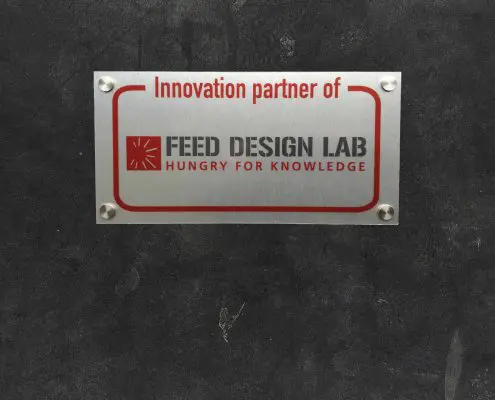
In October 2017, we proudly became a partner of the Feed Design Lab. Feed Design Lab’s ambition is to work towards a sustainable animal feed industry. With a pilot factory equipped with the latest technologies, along with training courses and innovation projects, Feed Design Lab offers its partners an environment in which it can fulfill its mission.
The main reason we became a partner is that, with innius, we support this mission and can make a significant contribution to achieving it.
How do we contribute to the Feed Design Lab mission?
In short, innius is an IIoT software platform that makes it easy to connect to an (animal feed) production line and analyze, interpret, and act on the real-time (machine) data from that line. As a result, innius contributes to a sustainable animal feed industry in five key ways:
- Reducing waste
- Lowering environmental impact
- Ensuring production targets can be met
- Ensuring safe feed production
- Increasing productivity
1. Reducing Waste
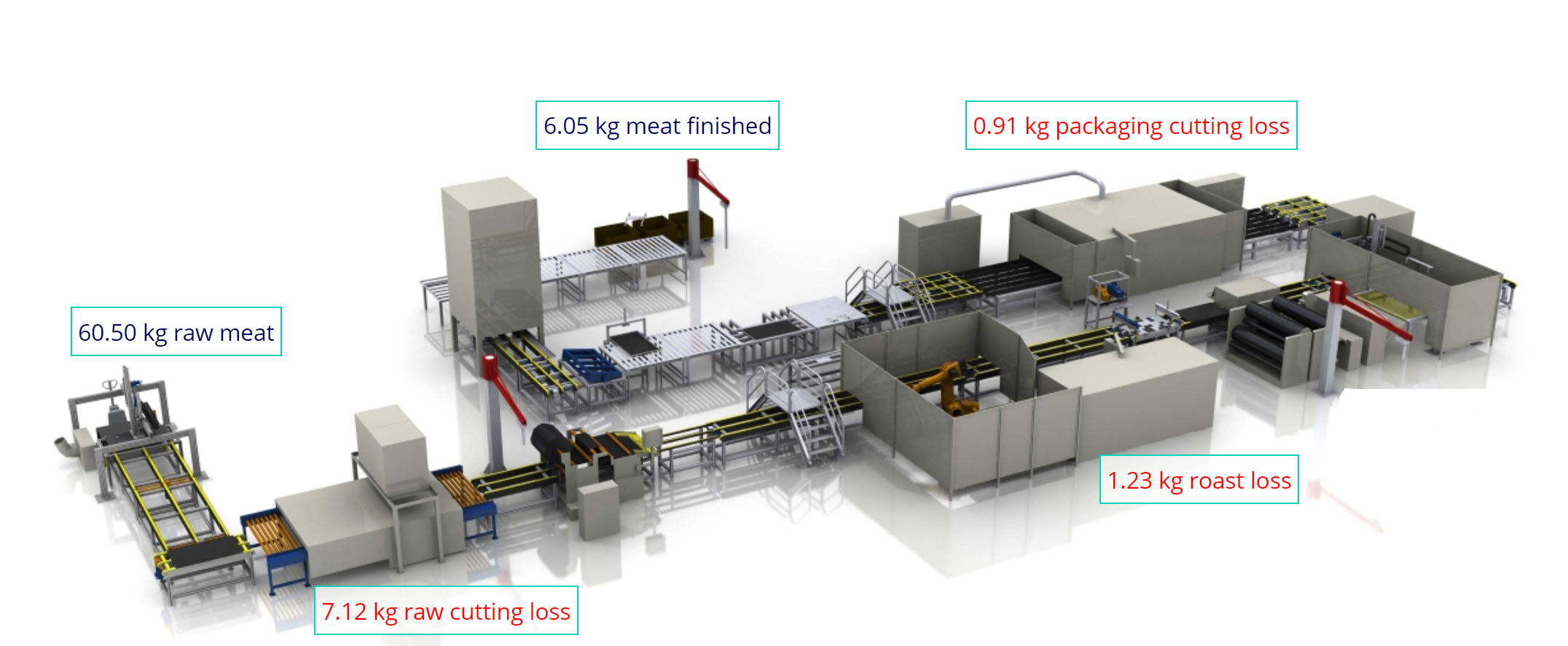
By providing real-time insights into how a production line is operating, we are able to identify where waste occurs in the production process.
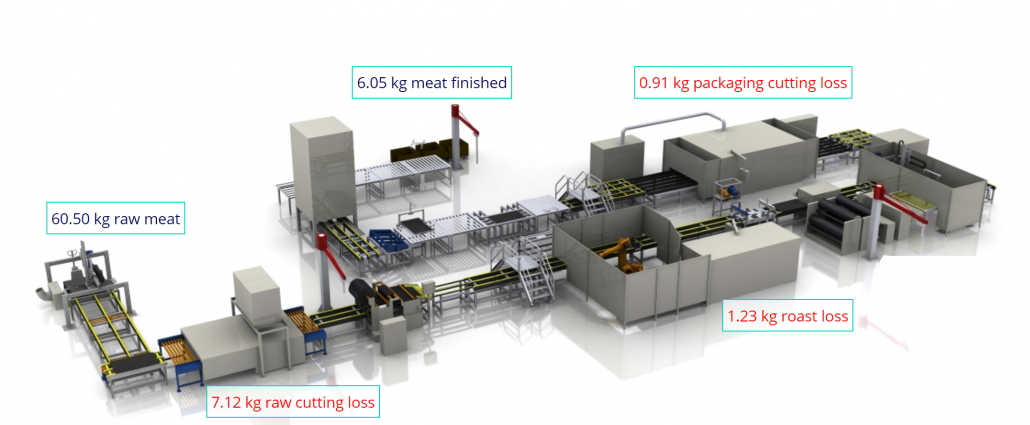
With these insights, the production line can be further optimized to reduce waste.
2. Lowering Environmental Impact
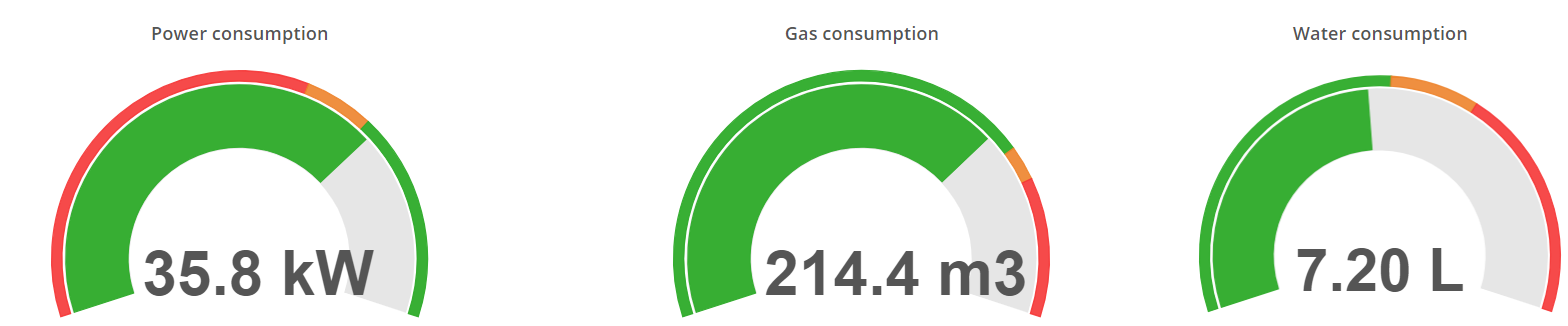
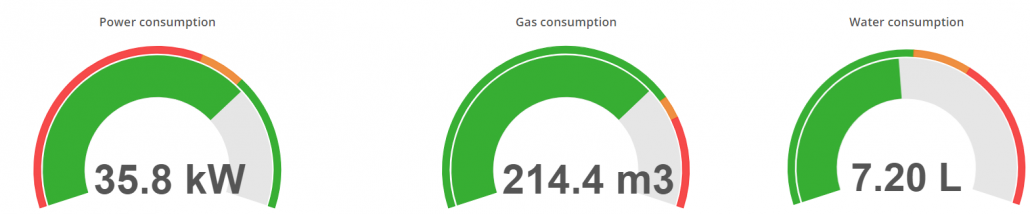
Producing animal feed requires energy in the form of gas and electricity. Water also plays a major role in the production process.
To keep the environmental impact of production as low as possible, innius shows where energy and water are being used. It ensures that usage stays within agreed limits. If energy consumption threatens to exceed threshold values, production staff are notified via a task alert. This helps prevent excessive use of energy and water in a timely manner.
Additionally, a benchmark can be created with similar production lines to compare energy usage.
3. Ensuring Production Targets Can Be Met
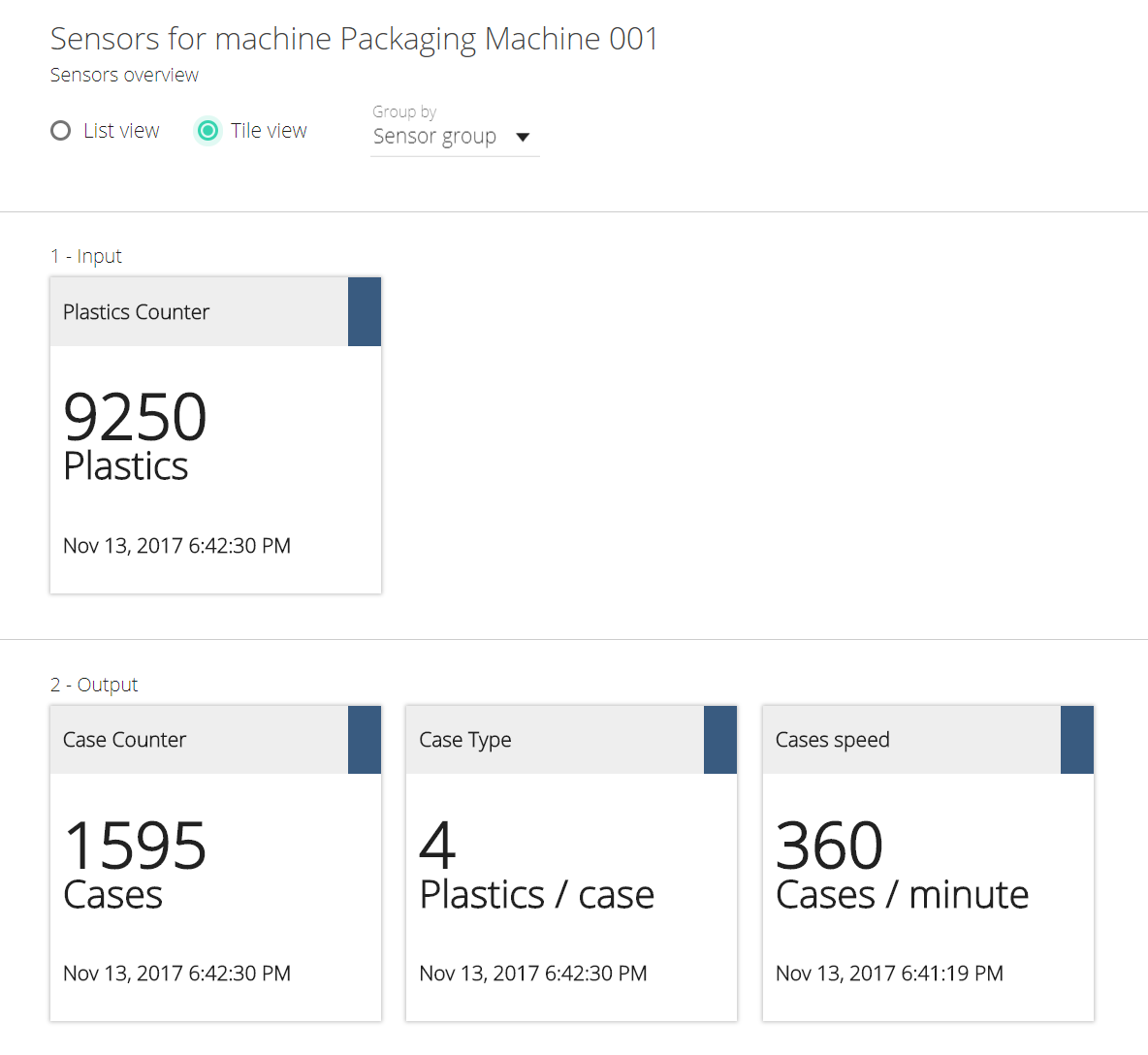
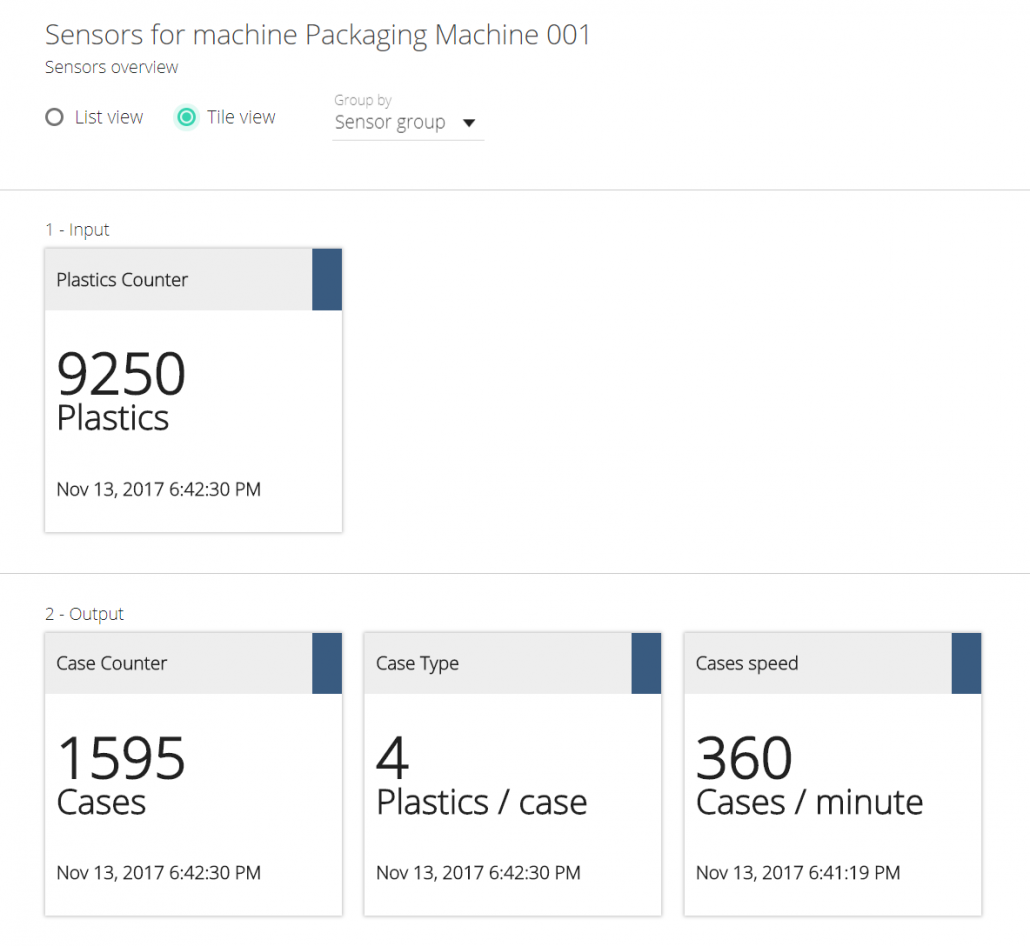
Real-time information about production capacity and availability on a line provides insight into whether planned production can be achieved, or if an additional production run can be scheduled. A higher utilization rate of a production line leads to a better cost per unit produced and a more efficient use of production resources.
4. Ensuring Safe Feed Production
Maintenance of production lines—especially keeping them clean—contributes to higher food quality and safety (preventing contamination). Using sensors on the production line, combined with the maintenance and cleaning schedule, innius assigns tasks to production staff responsible for cleaning and maintenance. These tasks are accompanied by instructional videos or manuals to ensure optimal execution.
5. Increasing Productivity
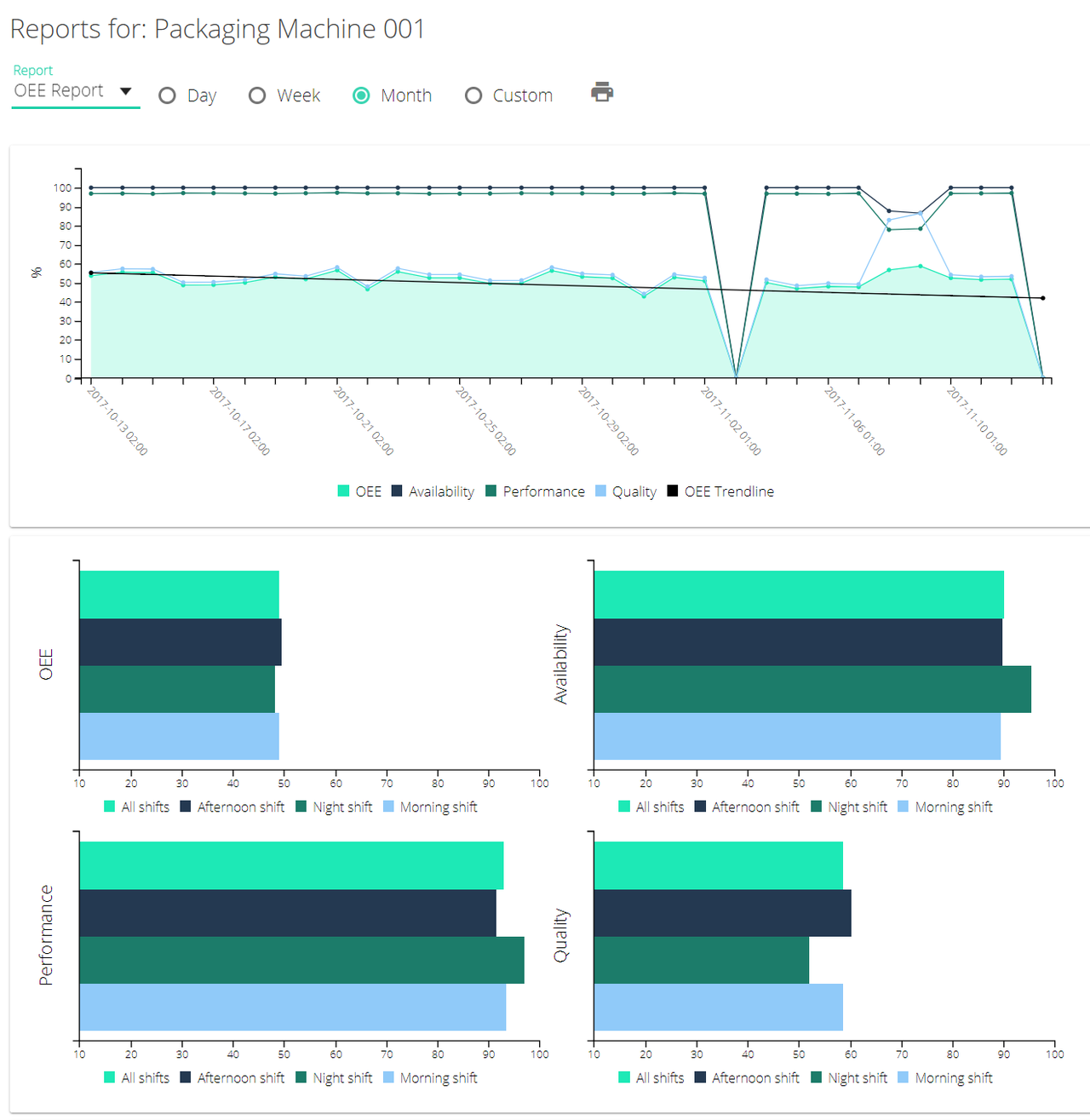
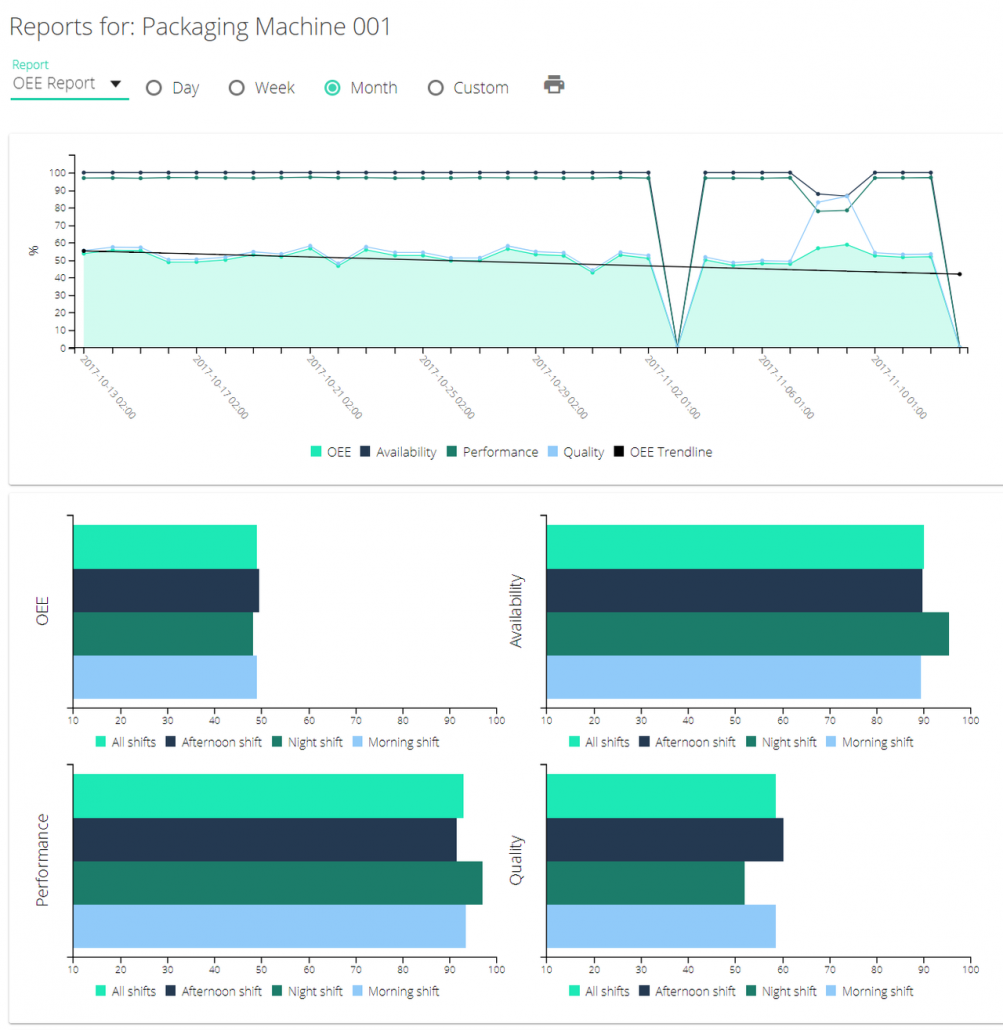
The demand for food (for both humans and animals) is set to rise in the near future—driven by global population growth and increasing prosperity in non-Western countries. To meet this growing demand, food must be produced as effectively and efficiently as possible. innius helps enable this by providing insight into Overall Equipment Effectiveness (OEE). OEE shows how efficiently the production line is being used and identifies areas for improvement.
By implementing these improvements, productivity on the line increases.
In summary, the collaboration with Feed Design Lab and its partners provides an excellent foundation for jointly achieving a sustainable animal feed industry.